What corn brings
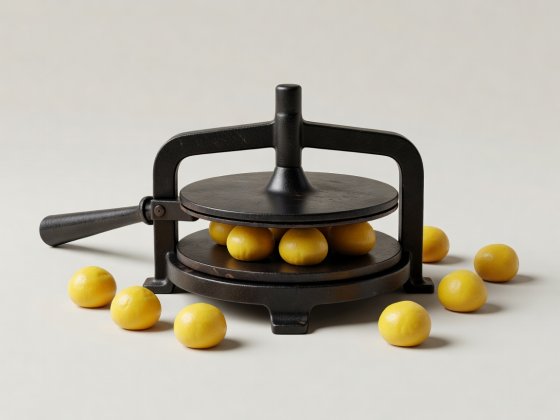
A true corn tortilla starts with nixtamalisation, a process developed in Mesoamerica thousands of years ago. Dried corn is simmered and soaked in water with calcium hydroxide, known in Mexico as cal. This loosens the tough outer skin, makes the corn easier to grind and improves its nutritional value by freeing niacin. The result, ground fresh, is masa: a soft dough with a gentle, mineral, toasty flavour you cannot get from plain cornmeal.
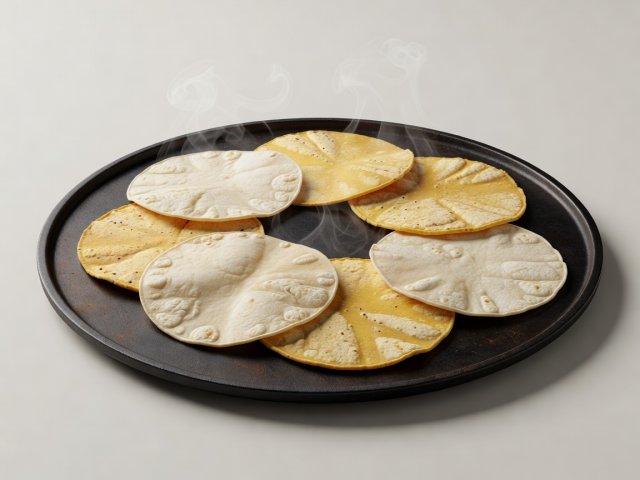
At home, most cooks use masa harina, which is nixtamalised corn that has been dried and ground into flour. Brands differ in coarseness, so expect to adjust water slightly. Corn colour matters too: white corn is mild, yellow is a little sweeter, and blue corn, common around Mexico City and Tlaxcala, tastes nuttier and slightly earthy.
Corn tortillas are sturdy once warm, and their flavour stands up to bold fillings: guajillo-braised beans, smoky mushrooms or salsa-soaked potatoes. For juicy fillings, taquerías often double up small tortillas so one can catch drips while the other holds shape.
What flour brings
Wheat arrived with the Spanish, and flour tortillas became especially rooted in northern Mexico, in states like Sonora, Chihuahua and Coahuila, where wheat grew well. They are made with wheat flour, fat (traditionally lard, often vegetable shortening or oil today), salt, a little baking powder in some versions, and warm water. In Sonora, you may meet sobaqueras, huge, paper-thin flour tortillas stretched over the forearm.
Flour tortillas are soft, pliable and fairly neutral. They suit fillings where the tortilla should step back: grilled vegetables with melted cheese, refried beans with rice, or breakfast fillings of egg and potato. They also fold without tearing, which is useful for children and for tacos that travel.